Short answer: Keep cylinders upright and firmly secured, never use oil or grease on oxygen cylinders, open valves slowly, check for leaks with soapy water, and beware of inert gases (N₂, Ar, CO₂) accumulating in confined spaces and causing asphyxiation.
Basic rules
- Always keep cylinders upright and firmly secured; never let them fall over.
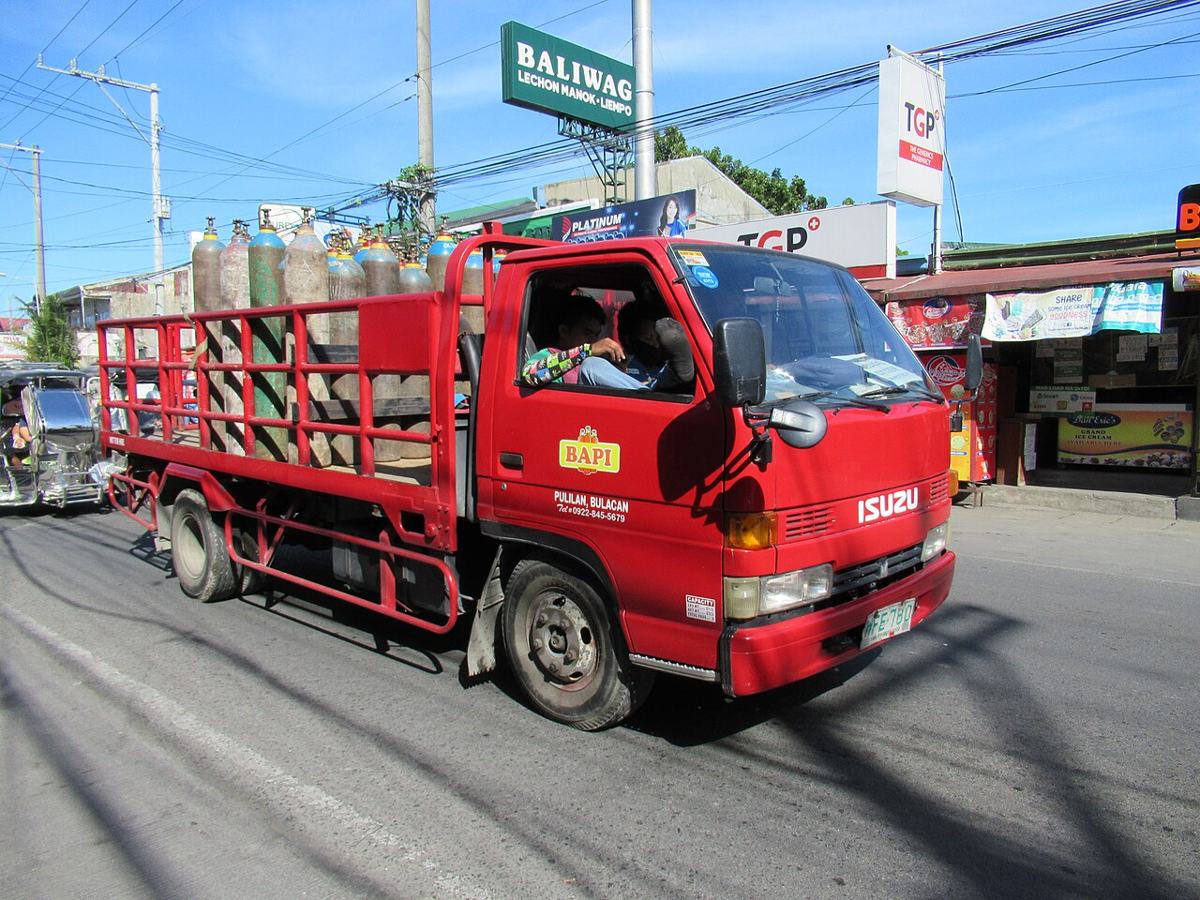
- Move cylinders with a cylinder trolley and with the valve cap fitted.
- Open valves slowly and stand to the side of the gauge, not in front of it.
- Never use oil or grease on oxygen cylinders and equipment.
- Keep oxygen cylinders separate from fuel gas cylinders (e.g. acetylene) at the distance required by your site’s standards.
- Keep acetylene cylinders upright and never exceed the permitted pressure (no more than 1 bar, about 15 psi).
- Check hoses and fittings for leaks with soapy water — never use a flame.
Inert gases in confined spaces
Nitrogen, argon and CO₂ are odourless and displace oxygen. Before entering a confined space, measure the oxygen level and ventilate according to your site’s safety procedures.
See our gas cylinder safety infographics (colours, valves, selection, storage and handling) on the gas cylinder safety knowledge page.
FAQ
How should gas cylinders be stored?
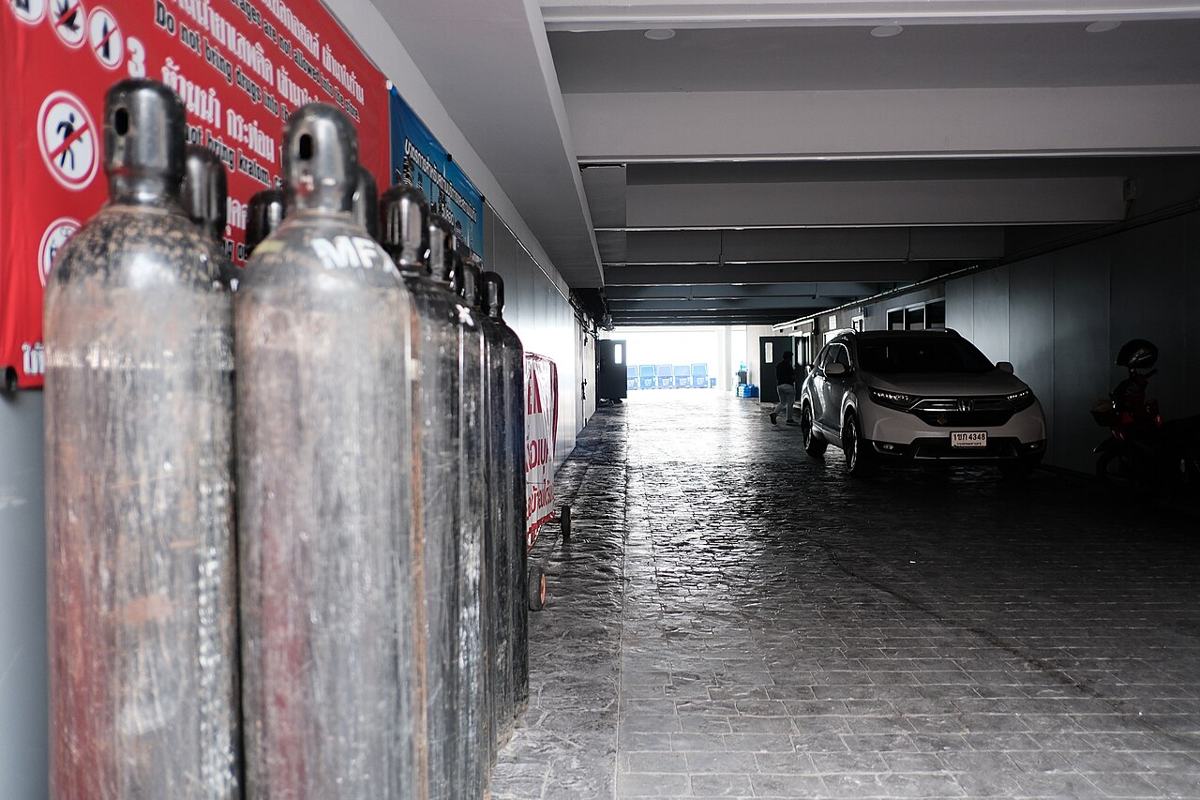
Upright and firmly secured to a wall or rack, with the valve cap on when not in use, away from heat and direct sun, in a well-ventilated place.
Why must oil or grease never be used on oxygen cylinders?
Because oxygen makes oil and grease ignite or explode far more easily.
Why are nitrogen, argon and CO₂ dangerous in confined spaces?
These gases are odourless and displace the oxygen in the air, which can cause asphyxiation in confined or low-lying spaces.
What should I do if a cylinder leaks?
Close the valve if it is safe to do so, move people out of the area, ventilate, eliminate any sparks, and notify the supplier or the person responsible for safety at the site.