How many hours does a 1.5 m³ or 6 m³ oxygen cylinder last? (calculation table with a safety reserve)
Calculate oxygen cylinder duration from cylinder size and flow rate, plus how to estimate it from the pressure gauge.
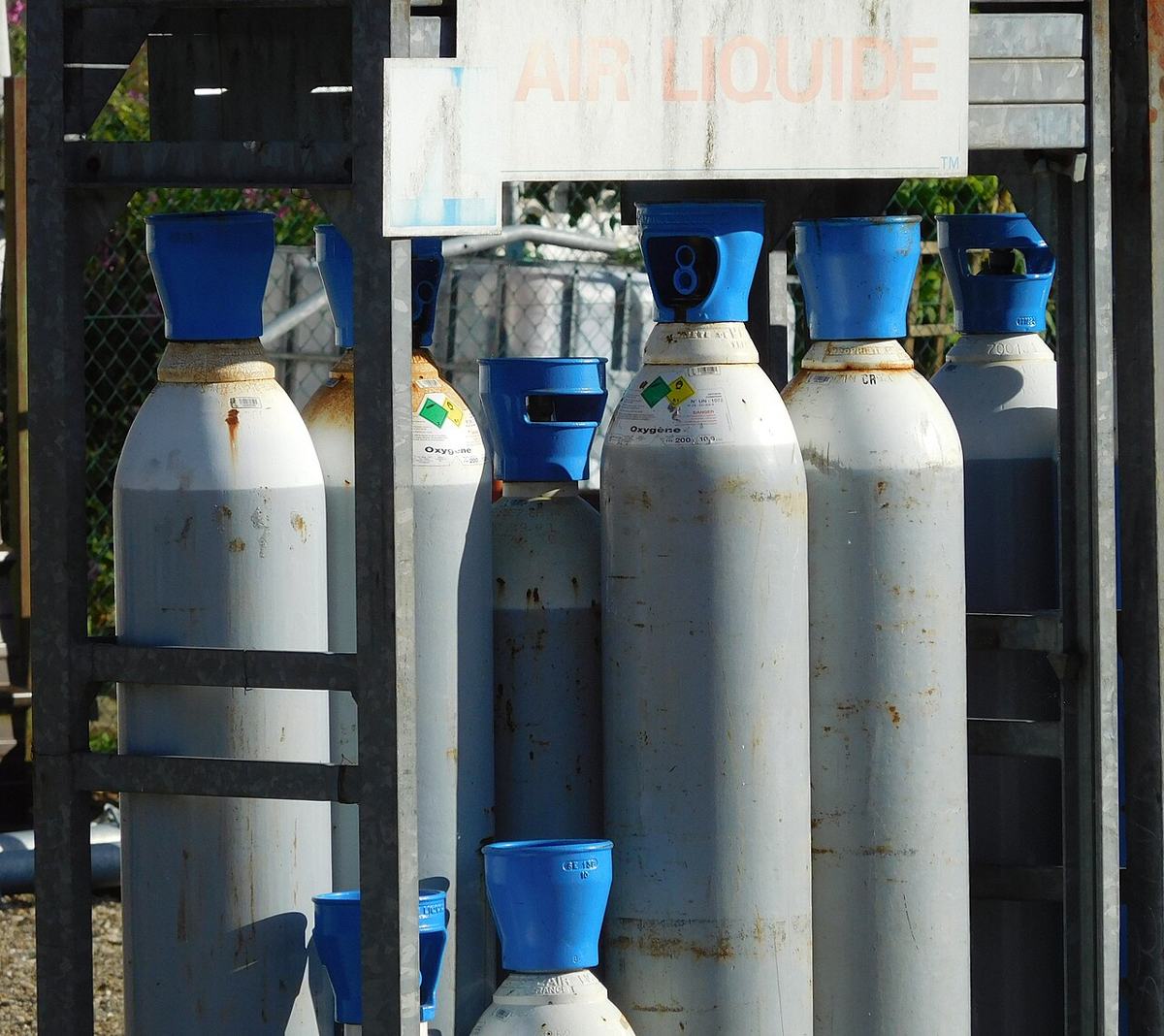
Photo: Cjp24 / Wikimedia Commons / CC BY-SA 4.0
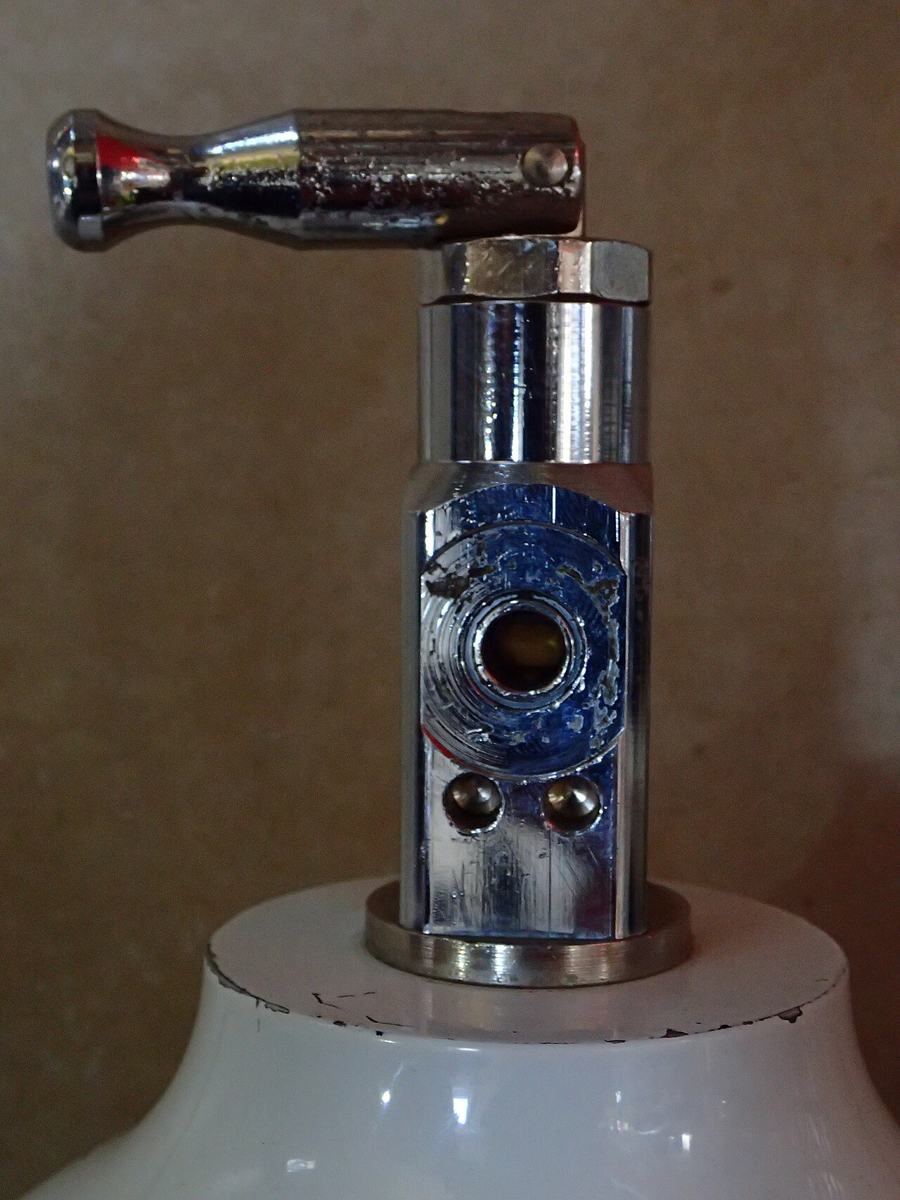
Photo: Peter Southwood / Wikimedia Commons / CC0
Quick summary
- “1.5 m³” (“1.5 Q” in Thai usage) means a cylinder holding about 1.5 cubic metres = 1,500 litres of oxygen (measured at atmospheric pressure)
- “6 m³” is about 6,000 litres
- Formula: duration (minutes) = usable oxygen (litres) ÷ flow rate (L/min)
- At 2 L/min a 1.5 m³ cylinder lasts about 10 hours and a 6 m³ cylinder about 40 hours (keeping a 20% reserve)
Approximate duration table
“Theoretical” means using the cylinder until empty. “With reserve” assumes only 80% of the cylinder is used, allowing for residual pressure that should be left in the cylinder, a fill that may be less than 100%, and flowmeter inaccuracy. We recommend planning with the “with reserve” figures.
| Flow rate | 1.5 m³ (theoretical) | 1.5 m³ (with reserve) | 6 m³ (theoretical) | 6 m³ (with reserve) |
|---|---|---|---|---|
| 1 L/min | 25 h | 20 h | 100 h | 80 h |
| 2 L/min | 12 h 30 min | 10 h | 50 h | 40 h |
| 3 L/min | 8 h 20 min | 6 h 40 min | 33 h 20 min | 26 h 40 min |
| 4 L/min | 6 h 15 min | 5 h | 25 h | 20 h |
| 5 L/min | 5 h | 4 h | 20 h | 16 h |
How it is calculated: 1.5 m³ = 1,500 L × 80% = 1,200 L usable · 6 m³ = 6,000 L × 80% = 4,800 L usable · Example: 1,200 ÷ 2 L/min = 600 minutes = 10 hours
If the cylinder is partly used, how do I estimate from the pressure gauge?
Approximate oxygen remaining (litres) ≈ cylinder water capacity (litres) × gauge pressure (bar)
- The water capacity is usually stamped or printed on the cylinder shoulder (e.g. “W.C.” or “WC”), or ask the shop that fills it.
- Example: a cylinder with 10 L water capacity reading 100 bar → about 10 × 100 = 1,000 litres left. At 2 L/min that is about 500 minutes (around 8 hours); less if you keep a reserve.
- If the gauge reads in psi, divide by about 14.5 to convert to bar.
- These figures are estimates; actual values depend on temperature, gauge accuracy and cylinder type.
When should I refill or keep a spare cylinder?
- Don’t wait until the gauge needle reaches zero. Refill or change the cylinder when the pressure drops to the level the shop recommends (often the red zone on the gauge).
- If the patient needs oxygen continuously, keep at least 1 spare cylinder and note the time each cylinder is opened.
- Plan refills in advance: e.g. 2 L/min for 24 hours uses about 2,880 litres a day, so a 6 m³ cylinder (4,800 L usable) lasts about a day and a half, and a 1.5 m³ cylinder is not enough for a full day.
Safety when using oxygen cylinders at home
- No smoking, candles or open flames near the patient and the cylinder (oxygen makes fire burn much more fiercely).
- Never use oil, grease or oil-based lotions on valves and gauges.
- Keep the cylinder stable or secured to a wall, away from heat sources and strong sun, in a well-ventilated room.
- Open the valve slowly and close it every time after use.
- Use medical oxygen only — never use industrial oxygen for patients.
FAQ
How many hours does a 1.5 m³ oxygen cylinder last?
At 1 L/min about 20 hours, at 2 L/min about 10 hours, at 3 L/min about 6 hours 40 minutes (keeping a 20% reserve).
How many hours does a 6 m³ oxygen cylinder last?
At 1 L/min about 80 hours, at 2 L/min about 40 hours, at 3 L/min about 26 hours 40 minutes (keeping a 20% reserve).
Does a humidifier bottle make oxygen run out faster?
Generally it does not change the amount used — duration depends on the set flow rate. But a leaking connection will make it run out faster; check for leaks with soapy water, never with a flame.
Need an oxygen refill or cylinder rental? Find your nearest branch: Chonburi (Nong Ri) · Sriracha–Laem Chabang · Chiang Rai · Surat Thani · Ranong
Author: MUREX Boonlum Oxygen team · Reviewed by [reviewer name, e.g. pharmacist / medical gas specialist]
Updated: 8 Oct 2026